Sunday, October 7, 2012
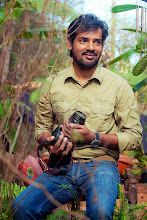
WIth team members during the biodiversity training workshop

Thursday, September 27, 2012
Wildlife week- a need to pledge to work for wildlife throughout the year.

Wildlife week is celebrated from the 1st
of October to the 7th of October every year to create awareness and
bring about an understanding of the threats our wild species face in the
country. This year around, I jot down ten ways in which you can make a
difference for conserving Goa’s wildlife.
 1.
A simple way to protect vital wildlife hotspots like
the Western Ghats is by being aware of your local surroundings. Understand the
fact that Goa’s Protected Areas harbors wildlife that is unique and threatened.
Knowing this itself is the first step towards conservation.
1.
A simple way to protect vital wildlife hotspots like
the Western Ghats is by being aware of your local surroundings. Understand the
fact that Goa’s Protected Areas harbors wildlife that is unique and threatened.
Knowing this itself is the first step towards conservation.
2.
Support the field staff of the Forest Department.
Remember, the Forest Department is a custodian of our forests. The need to
support them in their work and ensure that the goal for wildlife protection is
met with is our duty as well.
3.
Be proactive. Raise your voice wherever necessary and
lobby for conservation in your own backyard environment to begin with. Spread
the message.
4.
Reduce your consumption of natural resources by making
a conscious effort to sustainably use depleting natural resources. Wherever
possible return to green and clean technologies. This will help conserve
wildlife habitats in a long way.
5.
Curb the menace of plastic and reduce, recycle and
reuse all non-biodegradable resources. This itself will help wildlife
conservation to a large extent.
6.
Conserve Water-whether it is in your home or office
environment, the need of the hour is to conserve fresh water and its
sources-lakes, rivers wells, springs etc across the state.
7.
Promote local diversity-plant indigenous tree species
and support local open pollinated seeds. Grow a tree yourself and help increase
the green cover of our state.
8.
Avoid the usage of pesticides and insecticides in
gardens and farms. Lobby for a chemical free environment as this will help
conserve lesser-known wildlife and directly enrich soil composition over a
period of time.

9.
Join a wildlife cause. Volunteer time or resources for
a local wildlife organization or an individual working in the field of
conservation.
10. Help raise awareness amongst
children and youth- start from your own child and ensure that children
understand the value of wildlife and respect it.

Celebrate this year’s Wildlife week by addressing key issues
that connect urban living with wildlife and habitat conservation. Remember,
every natural resource you use is derived from a forest or allied source. The
sooner we understand the better it would be for our wild denizens and us. Keep
the faith.
By Nirmal U Kulkarni
Email- ophidian_nirmal@yahoo.co.in
Saturday, September 22, 2012
The 1st FIELD EQUIPMENT AND BASIC NATURALIST TRAINING WORKSHOP 2012.
The 1st
FIELD EQUIPMENT AND BASIC NATURALIST TRAINING WORKSHOP 2012.
THE SETTING-
A high altitude mixed moist deciduous and semi evergreen
region, with altitudes ranging from 517- 800 msl, the forests around Castle
Rock and Kuveshi village are a wildlifers paradise and a researcher’s dream
area to work in.
Our base is at Kuveshi village, a small hamlet situated in
the heart of rainforests and 12 kilometers away from Castle Rock. The motor
able dirt track that leads to Kuveshi passes through some of the most exquisite
forests of the region and includes a criss cross network of streams and
rivulets that meander through these forests.
The forests that surround
Kuveshi fall in the buffer areas of the Dandeli Tiger Reserve and are home to
gaur, tigers, leopards, sambar, spotted deer, mouse deer, barking deer, sloth
bear, slender loris to name but a few. The
Herpetofauna includes King cobra, Indian Rock Python, Hump nosed and Malabar
Pit vipers, Draco and Indian Monitor lizard, Malabar gliding frog and
Maharashtra Bush frog amongst others.
The fabled Dudhsagar falls are located in tranquil dense
tropical forest criss-crossed with small streams which all merge into the
Dudhsagar falls. The view from the crown of the falls is spectacular, offering
a panorama of the Mollem National Park, the Devil’s Canyon at its foot (a
popular picnic spot with locals and tourists), and the little railway bridge
that crosses the canyon.
The Base
The research base at Kuveshi is named Hypnale after the
Latin name of the Hump nosed pit viper (Hypnale hypnale). The forest that
surrounds the villages of Castle Rock and Kuveshi are the type locality of this
species that is endemic to the forests of South India and Sri Lanka. The
research station is a part of the Wildlife Research Station network that we are
trying to establish across the Northern Western Ghats of India and is focused
towards study of lesser-known fauna in the region.
THE SEASON-
Climate- Pleasant climate with windy weather.
Temperature- 28 degrees Celsius to 35 degrees Celsius.
Humidity- 60 percent and above.
THE ACTIVITY-
The workshop will include opportunistic surveys, lectures
on field data collection and in situ photography of Western Ghats biodiversity.
Field identification techniques of micro fauna,
demonstrations of basic bird surveys, training in use of field equipment and
discussion of natural history will also be a part of the workshop.
Participants will also get to use basic and advance field
equipment, learn observation skills as naturalists and work alongside qualified
researchers in the field.
WHAT TO EXPECT-
A rainforest eco system that is unique and offers vast
prospects for
a.
Learning to observe, photograph and document uncommon
and endemic bio diversity the right way.
b.
Trekking and participation in field surveys.
c.
Learning use of field equipment as well as field
skills alongside ecologists.
And more…
DATES- 25THOCT 2012 TO 28TH OCT (7.00 am
departure from Panjim on 25th and reaching on 28th at
4.00pm at Panjim)
CONTRIBUTION FEES- Rs 9500/- per participant
(this includes all meals and snacks, usage of equipment, resource person
fees and transportation from Panjim to Hypnale base station at Kuveshi and
back.)
ENTIRE FEES HAVE TO BE PAID IN ADVANCE AND IS NON-REFUNDABLE SO
PLEASE BE SURE BEFORE YOU CONFIRM.
NUMBER OF SEATS- 10 on a FIRST COME BASIS.
FOR MORE DETAILS CONTACT- ophidian_nirmal@yahoo.co.in or
AGE GROUP- 16 years to 60 years. (Participants have to be
physically fit and prepared for the outdoors)
Essentials for the workshop.
1.
Fast drying earth colored field clothes.
2.
Good walking shoes fit for rough terrain.
3.
Tick Socks (if don’t have a pair, buy one from us.)
4.
Cap or Hat and Sweater or jacket (it is cold)
5.
Field Note Pad and Pen/pencil.
6.
Back pack for field.
7.
Water bottle or container for Field.
8.
Camera.
9.
Sleeping
bag.
10. Personal identification papers
(Car License or Election card)
Please note-
1.
There is very little cell phone coverage in the
areas where the workshop will travel. Please note the same.
2.
Alcohol consumption is not allowed at any point of
time during the workshop. This is not a picnic.
3.
Please carry personal identification papers i.e.
Election card or Driving license for the expedition.
4.
The success of this workshop will depend on time
management, discipline and ethical wildlife protocol. Please stick to the
guidelines and suggestions of the Team Leader.
5.
The workshop will operate in dusty and strong windy
areas. Please note that electronic equipment and other personal belongings are
protected against the elements.
6.
HRS or its Team Leaders and service providers will
not responsible for the loss of equipment or belongings.
7.
Medical emergencies and health issues will be given
priority and changes in itinerary due to such reasons will be at the discretion
of the Team Leader.


8.
The Team Leader reserves the right to shorten/call
off the workshop in event of concerns for the security/health/climate/accident
and any such eventuality that may put life at risk for the team.
Friday, August 24, 2012
On work with Madras Crocodile bank trust participants

documenting fossorial species under humus with participants.

Nirmal Kulkarni and young team observes a travancore wolf snake. It is an endemic species to the Western Ghats of India.

Sunday, August 19, 2012
Camera Trap sessions and use


Sunday, August 5, 2012
Glimpses of 3rd Pit Viper Expedition 2012

Nirmal explains aims and objectives of the expedition.

Amey Salvi a member crossing a stream.

Mittal Gala, Resource person shows use of Weather meter

Nirmal explains plateau ecology and its use by herpetofauna
All images courtesy- Mittal Gala

Subscribe to:
Posts (Atom)